"Women's breasts are different."
Bodies vary enormously. Some men have larger chests than some women. If size were the rule, the rule would not follow gender.

An awareness project from the Netherlands
Men can take off their shirt without a second thought. Women who do the same are often met with stares, shame or a request to leave. Topless Freedom is about changing that double standard, calmly, respectfully and for everyone, whatever culture you grew up in.
Why this mattersChests are chests. Men's and women's breasts are both secondary sex characteristics, just like beards or body hair. Germany's Federal Anti-Discrimination Agency uses exactly that distinction, and it is the basis for the Berlin pool rules below.[3]
Yet in many places only women's bodies are treated as something to hide. The shame is not in the body; it is in how others have been taught to look at it. That burden lands on women, while the problem sits with the viewer.
The Netherlands is home to people from all over the world. Some grew up with topless beaches, others with strong norms about modesty, religion or family honour. This project is not about forcing anyone to undress. It is about the freedom to choose, and about nobody being shamed for that choice, either way.
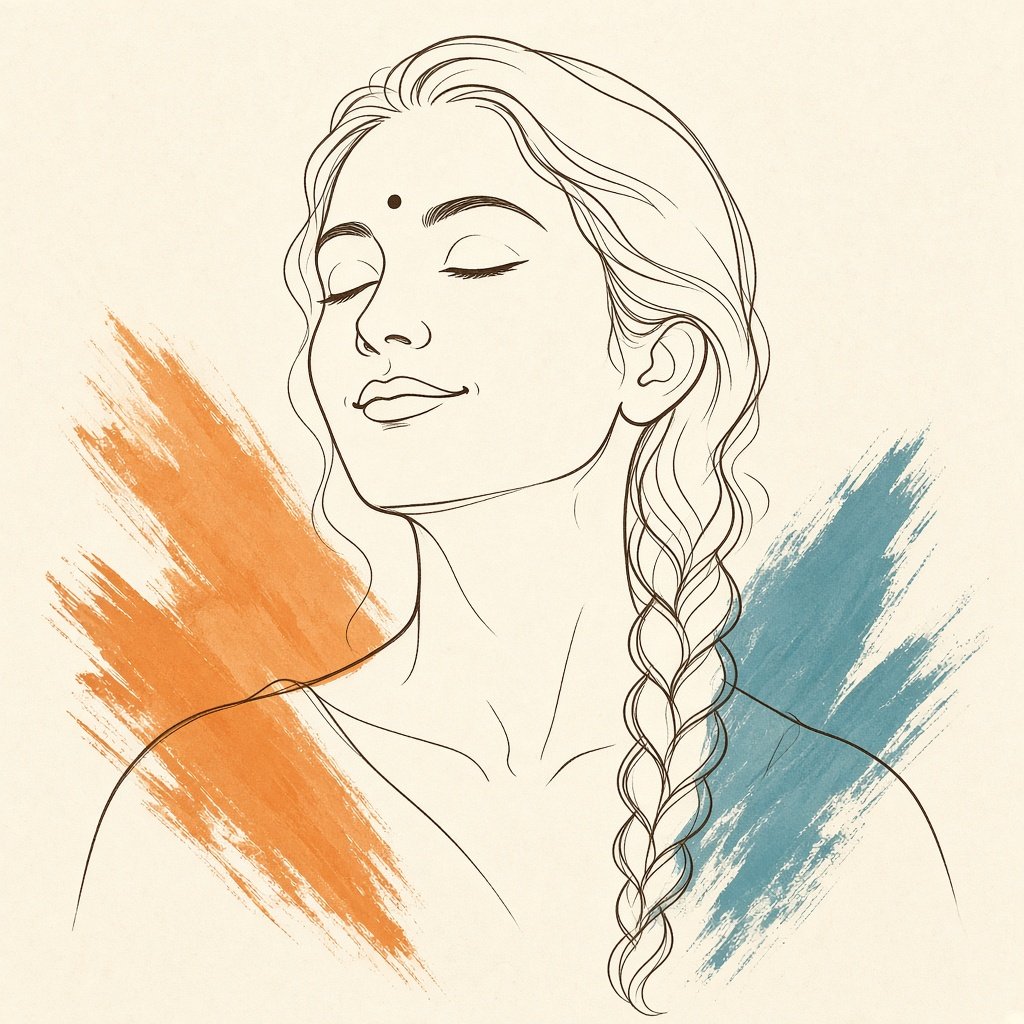
Bodies vary enormously. Some men have larger chests than some women. If size were the rule, the rule would not follow gender.
Muscular men on the beach can be "distracting" too, and nobody asks them to cover up. Other people's attention is their own responsibility.
Context makes something sexual, not a body part. Sunbathing, swimming and breastfeeding are not sexual acts.
Children learn shame from adults. Seeing ordinary bodies in ordinary settings teaches that bodies are normal, not shameful.
Everyone's culture deserves respect, including the choice to stay covered. Equal rules don't oblige anyone; they just stop treating half the population differently.
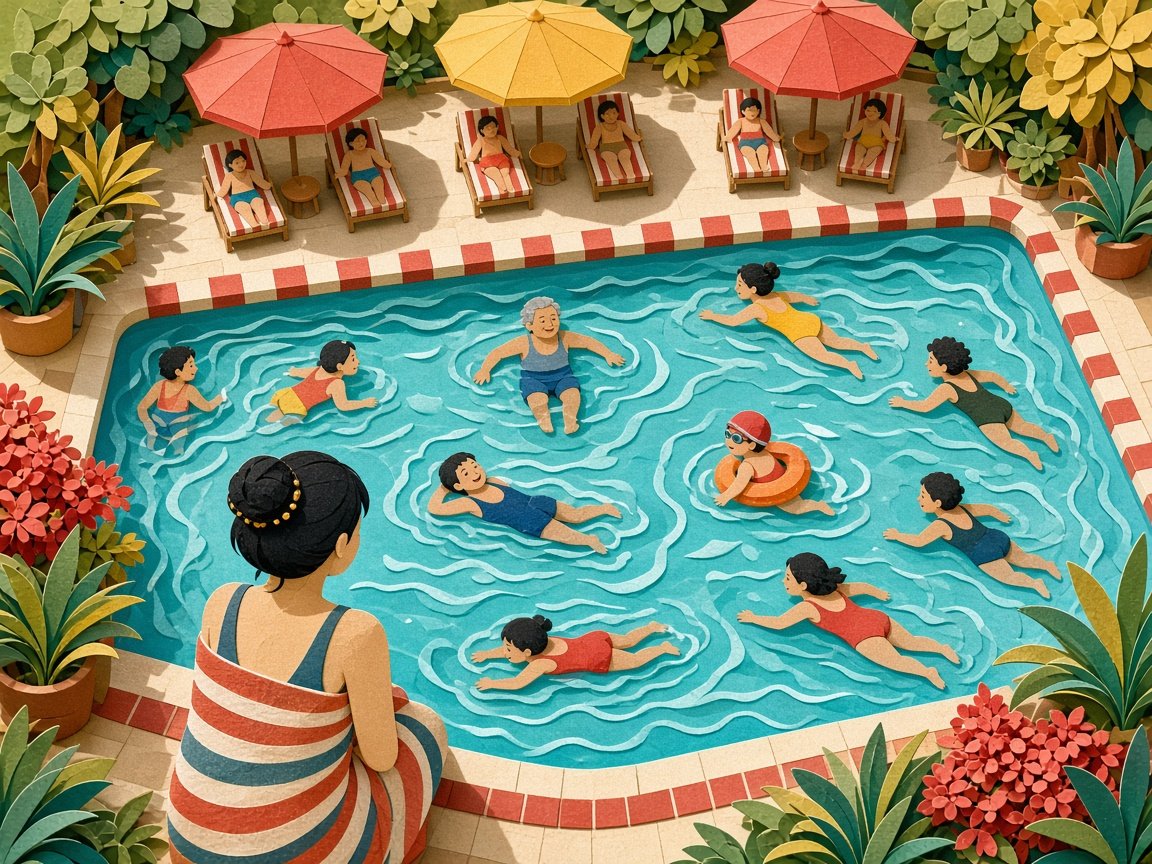
Going topless is generally accepted on Dutch beaches. Naturist federation NFN states that women may sunbathe without a bikini top on all beaches where you may sunbathe in swimwear, and that topless sunbathing does not count as nude recreation.[8]
Article 430a of the Dutch Criminal Code regulates nude recreation nationally. Municipalities may designate places as suitable, but cannot simply ban it everywhere else via their local by-laws (APV); a judge decides whether a place is unsuitable. During the parliamentary debate the Minister of Justice said topless recreation will rarely violate this article.[9] [10]
Pools set their own house rules. A study of Dutch pools found 12% mention rules on nudity, including topless swimming or sunbathing, with big regional differences.[11] In Amsterdam, the city confirmed in 2023 that women may swim topless in public pools.[12]
Good to know: local rules and house rules differ per municipality, beach and pool. Always check the signs or the website of the place you visit. This page is general information, not legal advice.
Freedom works when everyone feels safe. A few simple things go a long way, whether you go topless or not:

Have you felt shame, judgement or freedom on a beach or in a pool? Did your view change after moving to the Netherlands? We would love to hear it. Stories may be shared anonymously and are only published with your permission.